
Golf and Beaches in Thailand: Rounds by the Coast

Key takeaways
- Phuket, Pattaya and Koh Samui each pair championship golf with beaches within a short drive, so you can play in the morning and swim by early afternoon.
- Thailand has more than 250 golf courses with year-round playing conditions, giving coastal trips plenty of flexibility on tee times and weather.
- An early tee time, usually before 8am, leaves your whole afternoon free for the beach and keeps you out of the midday heat.
- Rest days built around water sports or island hopping suit non-golfing partners and keep a longer trip from feeling like one long range session.
- Pack for two climates in one bag: breathable golf kit plus swimwear, reef-safe sunscreen and sandals for the sand.
You can tee off beside the sea in the morning and have your feet in the sand by lunch. That is the simple appeal of pairing golf and beaches in Thailand: three main regions, Phuket, Pattaya and Koh Samui, put quality courses and good beaches within a short drive of each other, so a single day holds both a full round and a long afternoon by the water.
Thailand makes this easy because it has the golf infrastructure to back it up. The Tourism Authority of Thailand counts more than 250 golf courses with year-round playing conditions, so you are never short of tee times or alternatives if the forecast turns. This guide covers where the coastal golf is, how to structure a play-and-beach day, what to do on rest days, and what to pack for a trip that asks your bag to handle two climates at once.
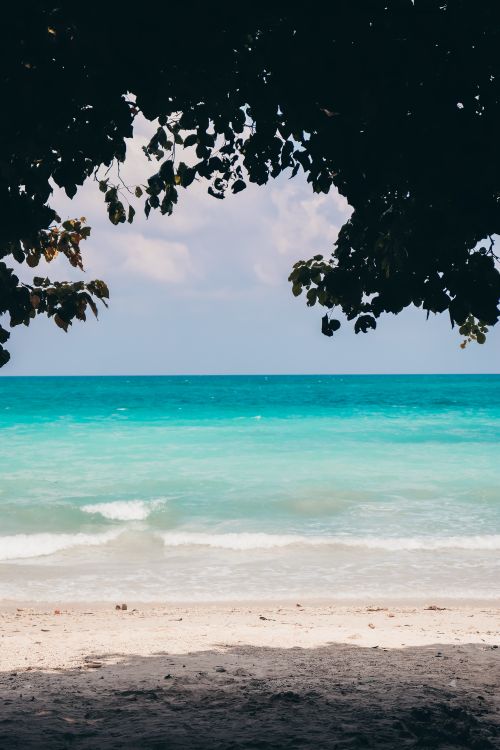
Pairing Seaside Courses With Beach Time in Phuket, Pattaya and Samui
Each of the three regions has its own character, and the right one depends on the beaches and the travel distances you prefer.
Phuket sits on the Andaman coast and is the most scenic of the three. Courses here run through former tin-mining valleys and rolling hills, with sea views on several layouts. The island has a cluster of courses on Phuket itself plus more within an hour's drive across the bridge toward Phang Nga, so you can play a different track most days and still reach beaches like Kata, Kamala or Surin in time for an afternoon swim.
Pattaya, on the Gulf coast in Chonburi province, is the densest golf region in the country. Dozens of courses sit within easy reach of the city, which means short transfers and the widest choice of green fees and standards. The beaches close to central Pattaya are busy, but Jomtien and the quieter stretches toward Na Jomtien give you calmer sand within a short drive of the first tee.
Koh Samui is the compact, laid-back option. The island has fewer courses, but a round on a hillside layout with Gulf views followed by an afternoon on Chaweng or Lamai beach is about as relaxed as a golf day gets. Samui suits travelers who want one or two memorable rounds rather than a heavy playing schedule.
If you are weighing which region fits your group, our guide to the best golf resorts in Thailand breaks down stay-and-play options by area.
Best Coastal Golf Resorts for a Mix of Play and Relaxation
The resorts that work best for a golf-and-beach trip share a few traits: a course or clubhouse on site or minutes away, direct or near-direct beach access, and facilities that keep non-golfers happy.
- Phuket leans toward integrated golf communities where a hotel sits beside the course and the beach is a short shuttle away. These suit groups that want to walk from room to first tee, then regroup at the sand later.
- Pattaya offers the broadest range, from course-side resorts aimed squarely at golfers to beachfront hotels that arrange tee times at nearby clubs. The short distances mean you are rarely locked into a single property's course.
- Samui tends toward beach resorts that package rounds at the island's courses, so your base is the beach and the golf is the excursion.
Booking a true stay-and-play package is usually cheaper and simpler than arranging rooms and rounds separately, and it fixes your tee times in advance. Thailandgolftour builds coastal packages that bundle accommodation, tee times and transfers around each region, which removes the logistics of coordinating courses, hotels and transport yourself.
How to Structure a Day of Golf Plus Afternoon Beach Downtime
The heat decides your schedule. Midday on both coasts is hot and humid, so the goal is to finish golf before the sun is at its worst and save the beach for the cooler, breezier afternoon.
A reliable template looks like this:
- Early tee time. Aim to tee off before 8am. An early slot means cooler air, quieter fairways and a round that wraps by late morning.
- Clubhouse lunch and a break. A relaxed lunch at the course rids you of the hottest part of the day without wasting it.
- Afternoon beach. Head to the sand from around 2pm or 3pm, when the sun is lower and the sea breeze picks up.
- Sunset and dinner. The west-facing beaches of Phuket are built for sunset, while Pattaya and Samui shift easily into evening food and night markets.
Booking the earliest available tee time is the single most useful move for this rhythm. It also opens the door to the opposite approach on a hot day: skip the midday round entirely and play night golf under floodlights, leaving the whole day for the beach.
Water Sports and Island Excursions for Rest Days
A golf-and-beach trip works best with at least one day off the course, especially on a longer stay. Rest days give your body a break and give a non-golfing partner something to anchor the trip around.
On the coasts, the easiest rest-day options include:
- Island hopping. From Phuket, day trips reach the Phi Phi Islands and James Bond Island in Phang Nga Bay. From Samui, boats run to the Ang Thong Marine Park. From Pattaya, the nearby islands such as Koh Larn offer quick beach escapes.
- Water sports. Kayaking, paddleboarding, snorkeling and diving are all available across the three regions, with calm bays suited to beginners and reef sites for the more experienced.
- Low-key beach days. Sometimes the best rest day is a lounger, a book and a swim, with a spa visit to work out the golf stiffness.
A wellness afternoon pairs naturally with a beach day, with a spa treatment slotted in between rounds. These rest-day activities are also what make coastal trips work for mixed groups rather than golfers only.
Packing Tips for Golf-and-Beach Combination Trips
The challenge is one bag for two activities and a hot, humid climate. A few deliberate choices keep your luggage light without leaving gaps.
- Breathable golf clothing. Lightweight, moisture-wicking shirts and shorts handle the humidity better than cotton. Most coastal courses enforce a collared-shirt dress code.
- Swimwear and beach kit. Pack swimwear, a quick-dry towel if your hotel does not provide beach towels, and sandals you can walk the sand in.
- Reef-safe, high-SPF sunscreen. You will be exposed on the course and on the beach, so sun protection does double duty. Reef-safe formulas matter near snorkeling sites.
- A hat and sunglasses. Useful on both the fairway and the sand.
- A light rain layer. Even in the dry season, a short tropical shower is possible.
If you want to travel light, renting clubs on arrival saves you hauling a travel bag across islands and transfers, so weigh the cost of rental against the hassle of bringing your own set.
Who a Coastal Golf Holiday Suits Best
A coastal golf trip in Thailand fits several kinds of traveler particularly well.
It suits couples and groups where not everyone plays. The beach, spa and water sports give non-golfers a full itinerary while the golfers are out, so the trip serves the whole party rather than splitting it.
It suits golfers who want variety rather than a pure playing marathon. If your idea of a holiday is three or four good rounds balanced with downtime, the coast delivers that mix more naturally than an inland golf-only base.
It suits anyone traveling in Thailand's high season. The country drew 32.97 million international arrivals in 2025 and 25.46 million in the first ten months of 2026, according to figures published by Visit Thailand Today from the Ministry of Tourism and Sports, so the coasts are lively and well set up for visitors during the popular November-to-February window.
The clearest next step is to pick your region first, then lock in early tee times around it. Decide whether you want Phuket's scenery, Pattaya's density and short transfers, or Samui's relaxed pace, choose a base with easy beach access, and build the rest of the days around morning rounds and afternoon swims. From there, a stay-and-play package ties the courses, hotel and transfers together so you can focus on the golf and the sand rather than the logistics.
Frequently asked questions
Where in Thailand can you combine golf and beaches most easily?
Phuket, Pattaya and Koh Samui are the three strongest options. Each has quality courses within roughly an hour of good beaches, so a morning round and an afternoon swim fit into the same day.
Is one week enough for a golf and beach trip in Thailand?
Yes. A week comfortably fits three or four rounds plus several beach afternoons and a rest day. Many visitors base themselves in one region to cut down on travel time.
When is the best time of year for coastal golf in Thailand?
November through February brings the driest, coolest weather on both coasts and is the most popular window. The Gulf side around Samui can differ from the Andaman side, so check the local pattern for your dates.
Do coastal golf resorts suit non-golfers?
They do. Beach access, spas, pools and water sports give a non-golfing partner plenty to do while you play, which makes coastal resorts a good base for mixed groups.


