Golf and Spa in Thailand: Combine Rounds With Wellness
Key takeaways
- Thailand's wellness economy spans 92,813 tourism-related businesses worth 670 billion baht, giving golfers an enormous spa network beside the fairways (Thai Ministry of Tourism and Sports, 2025).
- Traditional Thai massage, Nuad Thai, was added to UNESCO's Intangible Cultural Heritage list in December 2019, so the spa tradition you book is a recognised cultural craft.
- A post-round massage is practical recovery: one Ohio State study found massaged muscles regained about 60% of strength after four days versus 14% without massage.
- Book spa slots 60 to 90 minutes after your round, hydrate first, and keep sports massages away from early tee times.
- Resort destinations like Hua Hin, Phuket, Chiang Mai and Koh Samui put top courses and full-service spas on the same property.
Golf and spa in Thailand work together because the country offers championship courses and a deep, affordable spa culture on the same grounds. You can finish 18 holes in the morning and be flat on a massage table by early afternoon, often without leaving the resort. This guide explains why the pairing fits so naturally, which destinations do it best, and how to schedule treatments so they actually help your game.
Thailand built its reputation as a golf destination and as a wellness destination separately, then the two grew into each other. Thai hospitality treats rest as part of the experience, not an add-on. For a golfer, that means recovery is built into the local culture rather than something you have to chase down.
Why Thailand Pairs World-Class Golf With Traditional Spa Culture
Thailand's wellness economy spans 92,813 wellness tourism-related businesses generating 670 billion baht in revenue, according to the Thai Ministry of Tourism and Sports (Nation Thailand, 2025). That scale means a spa is rarely more than a short walk from a first tee, and prices sit well below what most visitors pay at home.
The spa side carries real heritage. Traditional Thai massage, known as Nuad Thai, is recognised by UNESCO as part of humanity's intangible cultural heritage, inscribed in December 2019. When you book a Thai massage here, you are using a treatment the world recognises as a cultural craft, performed by therapists trained in its specific stretching and pressure techniques.
Why does that matter to a golfer? Thai massage works directly on the hips, shoulders, lower back and hamstrings, the exact areas a golf swing loads round after round. The culture of daily rest also removes the guilt. Nobody here treats an afternoon spa session as time wasted. It is simply how the day is meant to flow.
Which Resort Destinations Offer Both Golf and Spa?
The strongest golf and spa destinations in Thailand are Hua Hin, Phuket, Chiang Mai and Koh Samui, each combining respected courses with full-service spa facilities on or near the property. These hubs let you play and recover without long transfers, which keeps a multi-day trip relaxed rather than rushed.
Hua Hin is the classic choice, a seaside town with a cluster of mature courses and a long spa tradition built around its royal resort history. Phuket pairs island courses with large resort spas and beach access, which suits groups that want golf, wellness and nightlife in one base. Chiang Mai adds cooler mountain air, with courses set against forested hills and some of the country's best value treatments.
For an island feel, Koh Samui offers dramatic rounds and resort spas overlooking the sea. If you are weighing where to stay, look for stay-and-play resorts that keep a spa on site, so recovery is a short walk from your room rather than a taxi ride away.
How Should You Schedule Massages Around Tee Times?
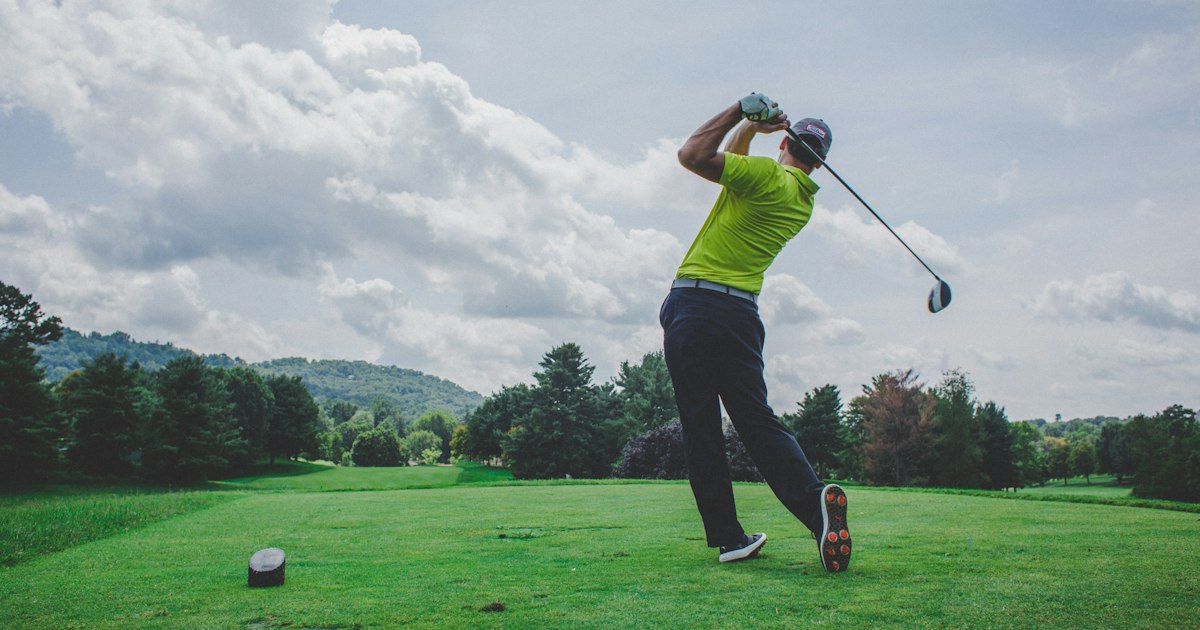
Book your massage 60 to 90 minutes after you finish playing, once you have rehydrated and showered, so the treatment aids recovery rather than interrupting it. Timing matters more than most golfers expect, and getting it wrong can cost you energy for the next day.
A post-round massage is practical recovery, not just a treat. One Ohio State University study found that massaged muscles recovered roughly 60% of their strength after four days, compared with only 14% in muscles that were not massaged (Ohio State University, 2023). For a golfer playing several days in a row, that difference shows up on the back nine.
Keep a few rules in mind. Avoid a deep sports massage the morning before an early tee time, since loose, relaxed muscles can feel sluggish over the first few holes. Save firm, deep-tissue work for the end of a playing day. If you have an afternoon round, a gentle morning stretch session is fine, but keep it light. Drink water before and after, because dehydration undoes much of the benefit.
Wellness Extras Beyond the Massage Table
Thai resorts offer far more than a single massage, including hydrotherapy pools, herbal steam rooms, foot reflexology and healthy dining built around fresh local produce. These extras turn a recovery hour into a full reset, which is exactly what tired legs and a sun-baked body need after 18 holes.
Hydrotherapy is the quiet hero for golfers. Warm pools, cold plunges and jet massage help flush the legs and ease the lower back without any effort on your part. Herbal steam rooms, often scented with lemongrass and kaffir lime, loosen tight shoulders before or after play. Foot reflexology is widely available and cheap, and it is a gift after a long walking round in the heat.
Dining rounds out the wellness side. Thai cuisine leans on grilled fish, fresh herbs, vegetables and light broths, which sit far better than heavy Western food between golf days. Eating this way keeps your energy steady across back-to-back rounds instead of weighing you down.
Planning a Balanced Trip for Golfers and Non-Golfers
A balanced golf and spa trip alternates play days with lighter recovery days, which keeps serious golfers fresh and gives non-golfing partners space to enjoy the spa, beach or town. This rhythm is what separates a holiday you come home rested from one that leaves you needing another break.
The simplest structure is play, rest, play. Golf on day one, a spa and sightseeing day on day two, then back to the course on day three. Serious golfers get recovery baked in. Partners who do not play get a genuine holiday rather than a week of waiting around clubhouses. Resort towns handle mixed groups well, with pools, markets and wellness options a short walk from the first tee.
If part of your group does not play at all, it helps to plan their days with the same care you give the tee sheet. Spa-heavy itineraries, cooking classes, markets and beach time keep non-golfers happy while the rest of the group is out on the course.
How Do You Build Spa Days Into a Golf Package Itinerary?
Build spa days in by booking treatments at the same time you lock in tee times, so recovery slots are reserved rather than left to chance on a busy resort. A good golf package should treat the spa as a fixed part of the schedule, not an afterthought you arrange on arrival.
Start with the tee sheet, then slot a longer spa session on each rest day and a shorter massage after your tougher rounds. Confirm spa opening hours against your flight and transfer times, since island resorts sometimes close treatments earlier than city hotels. Pre-booking also locks in better rates and your preferred therapist or treatment, which matters during peak season from November to February.
This is where a specialist tour operator earns its place. At Thailandgolftour, spa days, tee times, transfers and recovery blocks are arranged as one itinerary, so you are not juggling separate bookings across different venues. If you would rather have the whole trip mapped out for you, our overview of booking a stress-free golf tour walks through how a package comes together from first enquiry to final round.
A golf and spa trip in Thailand rewards a little planning. Decide how many rounds you genuinely want, pencil in a recovery day for every two or three playing days, and reserve your treatments early. Do that, and you will come home with a sharper game and a body that feels better than when you left.
Frequently asked questions
Is golf and spa in Thailand suitable for mixed groups where some people do not play golf?
Yes. Resort towns such as Hua Hin and Phuket combine courses with spas, pools and shopping, so non-golfing partners have plenty to do while others play a round.
When should I book a massage around my tee time?
Schedule a relaxing massage 60 to 90 minutes after finishing, once you have rehydrated and showered. Avoid a deep sports massage the morning before an early round, since it can leave muscles loose and sluggish.
Is Thai massage good for golfers specifically?
Thai massage uses stretching and pressure that eases the hips, shoulders and back golfers load every swing. Research on massage shows faster muscle recovery, which helps you feel fresh for consecutive playing days.
Can a golf package include spa days without extending the trip?
Yes. A common pattern is play, rest, play on a rotation, using the recovery day for a long spa session. Most stay-and-play resorts let you add treatments to your booking in advance.


